Description
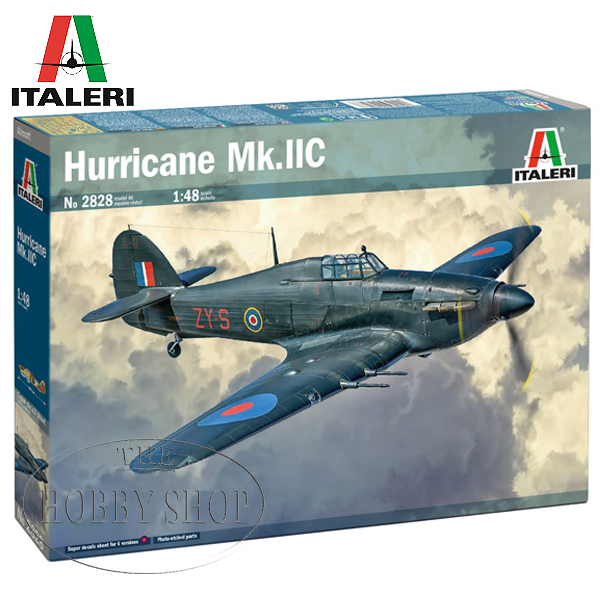
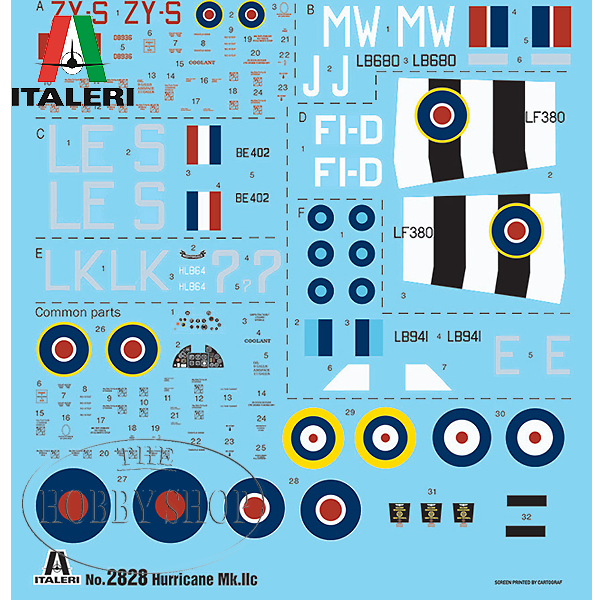
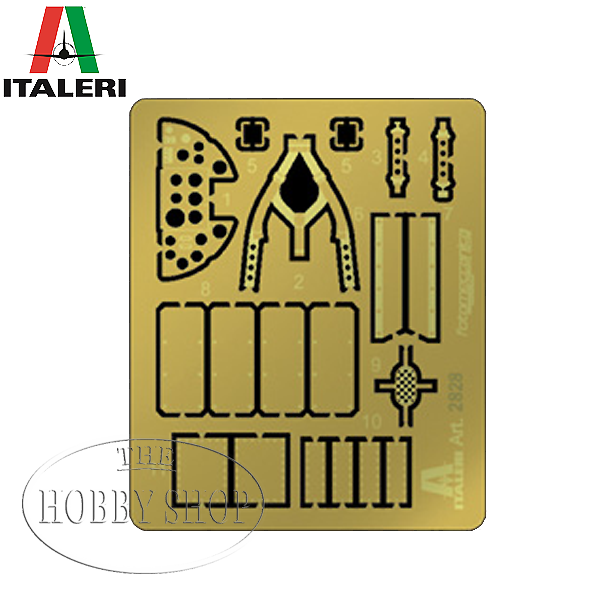
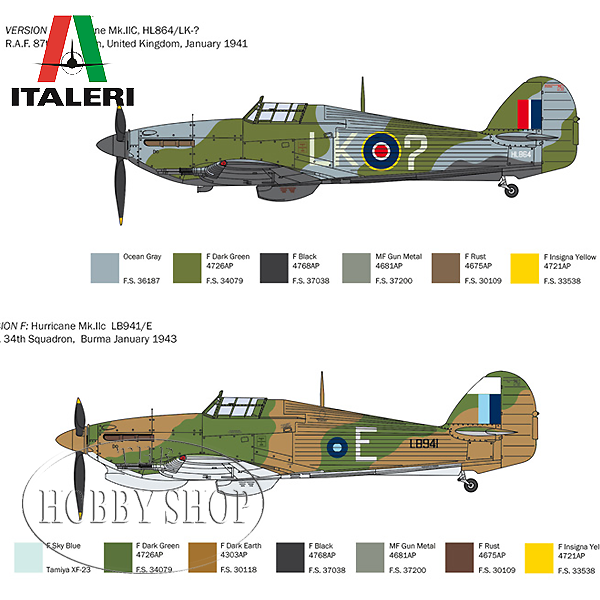
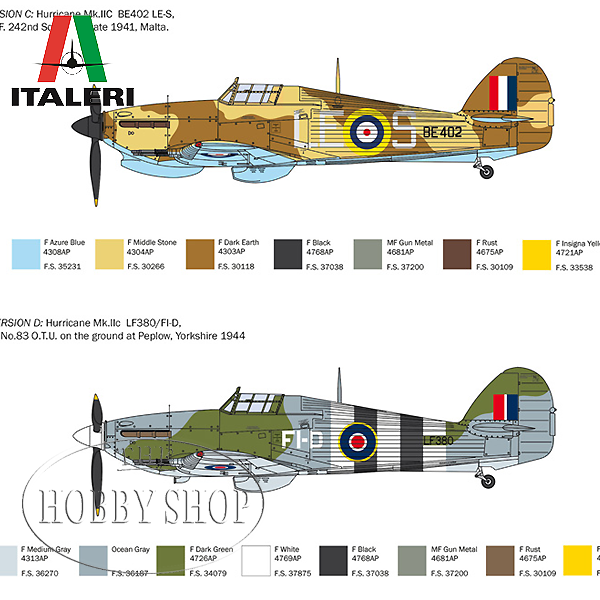
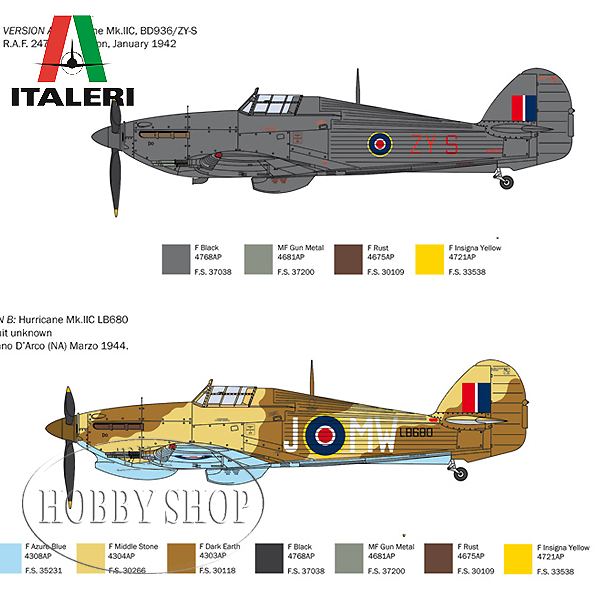
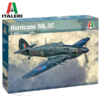
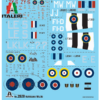
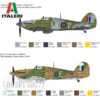
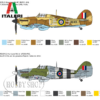
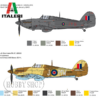
Italeri 1/48 Hurricane Mk.IIC with Photo Etch (6 leveries) SUPER DECALS SHEET FOR 6 VERSIONS – COLOR INSTRUCTION SHEET – PHOTO-ETCHED PARTS
The Hawker Hurricane was the most common and most widely used fighter of the British Royal Air Force at the start of the Second World War. It contributed significantly to the ultimate victory of the R.A.F. during the Battle of Britain, but over the course of the war it was progressively superseded in its front-line fighter role by the much more modern Spitfire. However, the Hurricane’s role was gradually changed by the provision of awfully specific versions and armaments. The Hurricane Mk. IIC for example was equipped with 4 powerful 20 mm Hispano-Suiza cannons mounted in the wings with nearly 400 rounds of ammunition. The adoption of 20 mm cannons, instead of the traditional 7.7 mm machine guns, made the Hurricane extremely effective in ground attack and close support missions. Additionally, the Hurricane Mk. IIC was effectively deployed in a night fighter role.
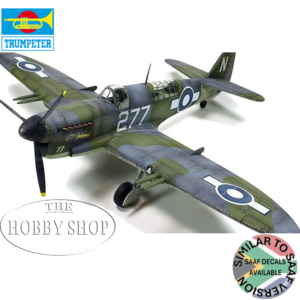
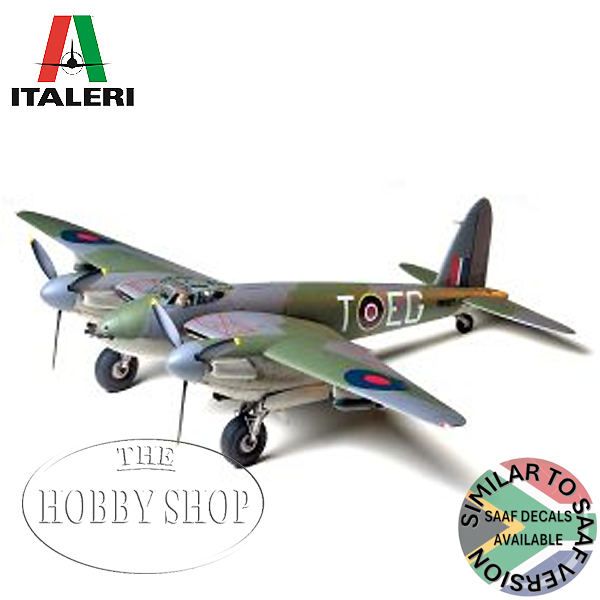
Italeri 1/72 kit – similar to SAAF version. SAAF decals available
The Hawker Hurricane Mk II played a critical role in the South African Air Force (SAAF) during World War II, marking a transition into the “super-fighter” era for the country. A total of 136 Hurricane Mk IIs served in the SAAF, carrying serial numbers from 5201 to 5336
Arrival & Assembly: Hurricanes first arrived in South Africa by sea in February 1939 and were assembled at Stamford Hill Aerodrome.
Operational Roles: Initially used for coastal defense in Cape Town, they were later deployed to Nairobi to participate in the East African Campaign against Italian forces.
Key Squadrons:
1 Squadron: Operated Hurricane Mk IIcs in North Africa starting mid-September 1942, notably featuring aircraft with “reduced” armament (only the inner pair of cannons).
3 Squadron: Formed in 1939 with Hurricane Mk IIs and later operated them for fighter defense over the port of Aden and coastal patrols in North Africa.
40 Squadron: Used Hurricane Mk IIbs (nicknamed “Gremlin”) for tactical reconnaissance and close support in North Africa in 1942