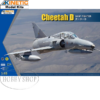
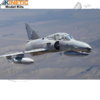

Description
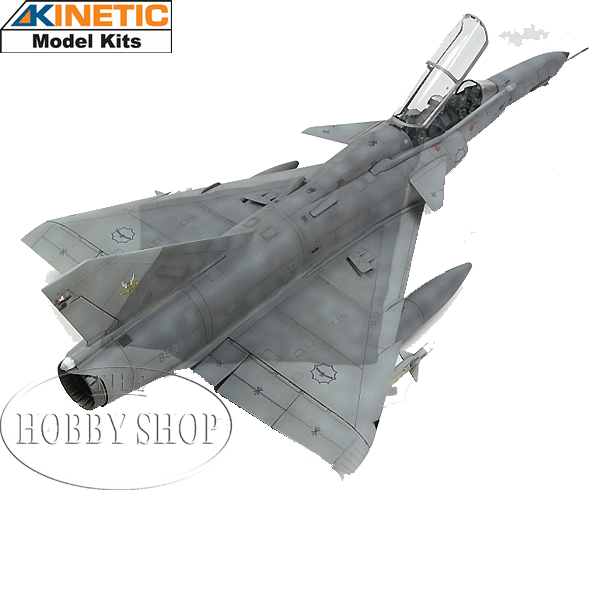
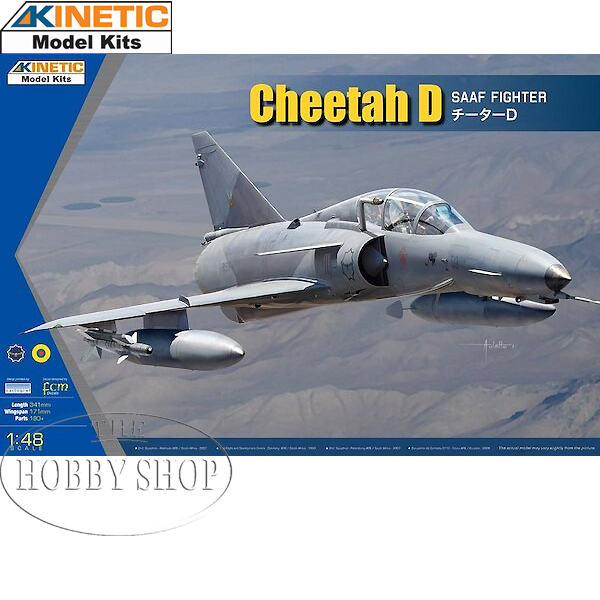
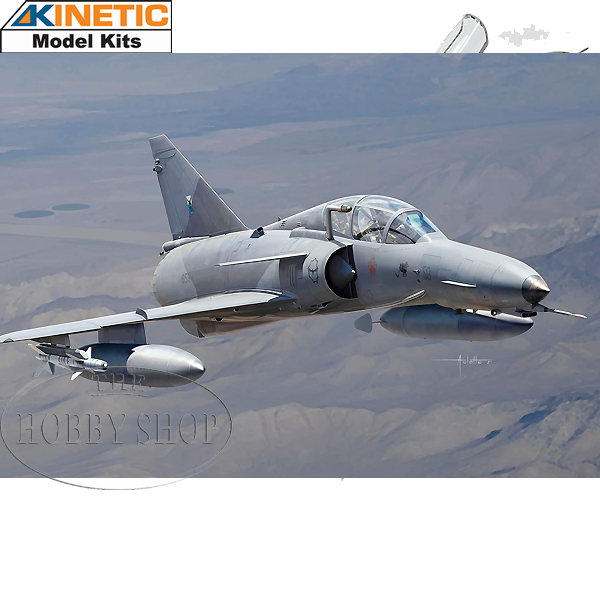
As a result of an arms embargo against the government of South Africa during the 1980s, the Air Force was unable to acquire new airframes to fulfill its operational needs. In addition. the South African Air Force (SAAF) was faced against growing threats in their Border War including the Soviet-built MiG-23 Flogger. While their fleet of Mirage F1 fighters could have been updated. the SAAF souldn’t afford to loose their only remotely capable fighter, so they drew upon their Israeli allies to help update their Mirage III fleet into the Cheetah configuration. Many Cheetahs were reengined with the Atar 09K50C-11 in place of their previous Atar 09C and given strenghened airframes. The aircraft also received improved avionics including a multi-mode pulse-doppler radar, navigation suite, data link, HUD, and HOTAS controls. The Chetahs entered service with the SAAF in 1986 and served through 2008. As the Cheetahs were phased out of active service with the SAAF, the Ecuadorian AF acquired 10 in 2009 while another contingent also adopted a number of examples for adversarial duties in the United States.
This release has four marking options:
- Cheetah D, 2nd Sqn, Makhado AFB, SAAF, 2007
- Cheetah D, Test Flight and Development Center, Overberg AFB, SAAF, 1993
- Cheetah D, 2nd Sqn, Petersburg AFB, SAAF, 2007
- Cheetah D, Escuadirion de Combate 2112, Taura AFB, Ecuador, 2009